
Barber Suites 101: How Chair Rental Can Grow Your Career
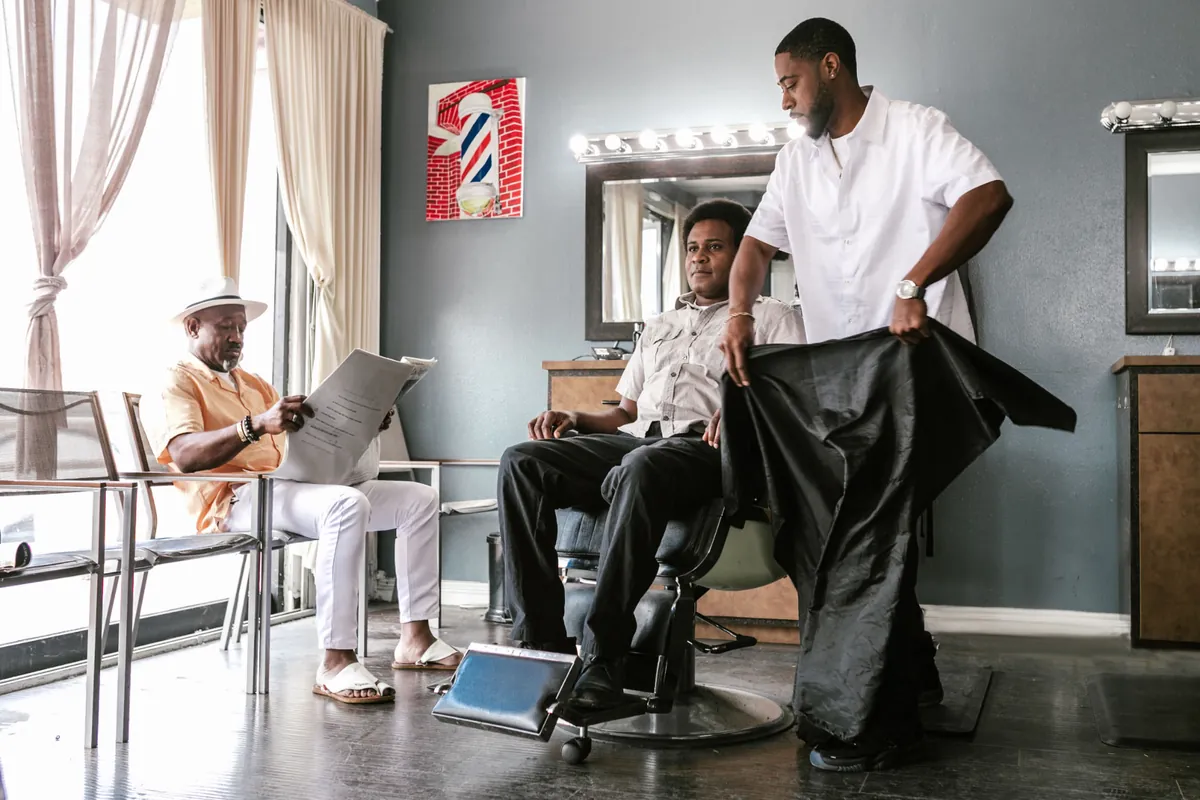
You finished barber school, your fades are clean, and your clippers are dialed in — but every "open chair" you hear about lives in a group chat, a random Instagram DM, or a flyer taped to a shop window. That guessing game is exactly why smart barbers are turning to salon chair rental and barber suites to take control of their careers. Instead of waiting for a boss to hire you, you rent your own station, keep what you earn, and run your chair like the small business it actually is. This guide breaks down how it works, what it costs, and how to land the right seat fast.
Here's the reality behind the model. According to the U.S. Bureau of Labor Statistics Occupational Outlook Handbook, self-employed workers make up roughly 79% of barbers — a share far above almost any other profession. In other words, for most barbers, finding your next barber job really means finding your next chair.
What Is a Barber Suite or Chair Rental, and How Does It Work?
A barber suite or chair rental is when you pay a shop owner a flat weekly or monthly fee to work out of their space as your own boss. You set your prices, keep 100% of what your clients pay, and build your own book. The owner acts more like a landlord than a manager, giving you independence without the cost of opening a full shop.
There are two main flavors of this setup, and the difference matters for your comfort, privacy, and budget:
- Chair (booth) rental: You rent a single station in a shared, open shop floor alongside other barbers.
- Barber suites: You rent a private, enclosed room that's yours alone — more privacy, more control over the vibe, and usually a higher price.
Both make you an independent contractor. The IRS Tax Tips for the Cosmetology and Barber Industry confirm that a booth renter is treated as a self-employed business owner responsible for reporting their own income and tips, not as an employee of the shop.
Salon Chair Rental Costs: What You'll Actually Pay Each Week
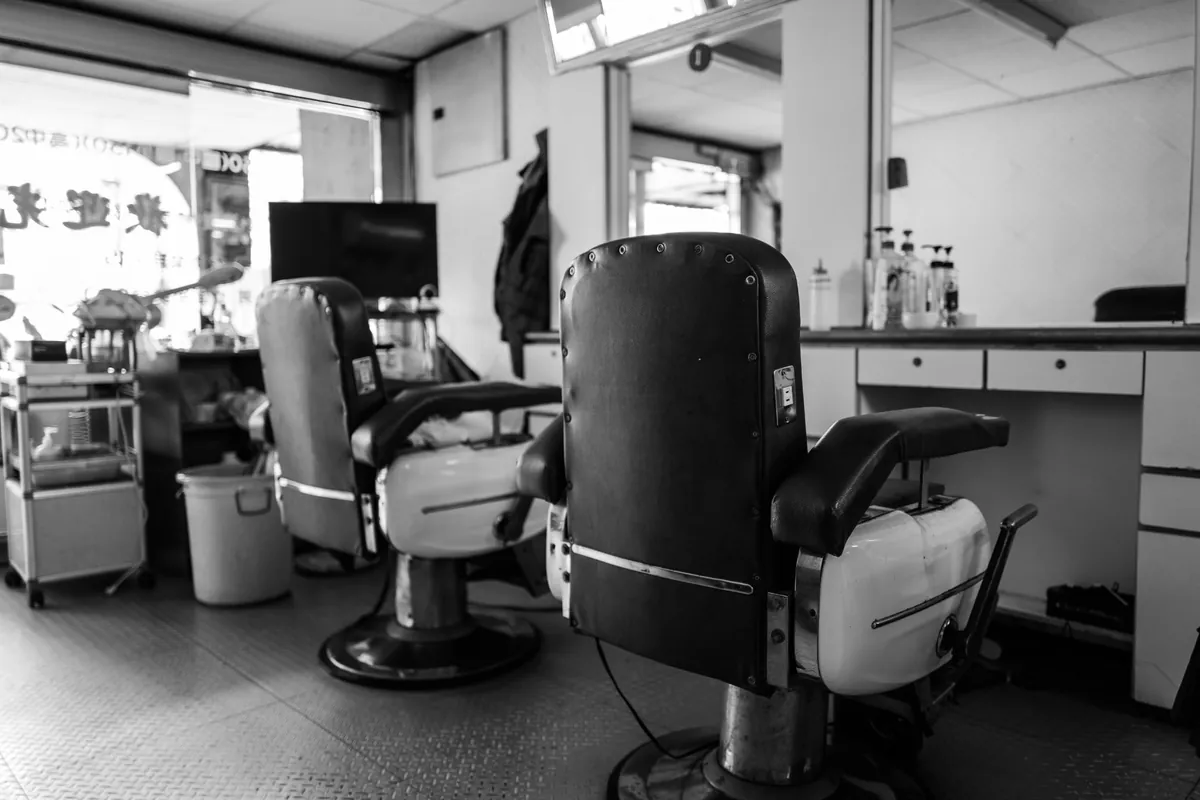
Chair rental typically runs about $100 to $600 per week, depending on your city, the shop's location, and the amenities included. Basic stations in smaller towns sit at the low end, while premium spots in major metros climb higher. Private barber suites usually cost more than a shared chair because you're paying for your own four walls.
Prices swing a lot by market. To give you a realistic picture, here's how common arrangements compare:
| Rental type | Typical weekly cost | Privacy level | Best for |
|---|---|---|---|
| Shared chair, smaller town | $100–$200 | Open floor | Newer barbers building a book |
| Shared chair, major metro | $250–$600 | Open floor | Barbers wanting high foot traffic |
| Private barber suite | $250–$500+ | Fully private room | Established barbers with loyal clients |
One tip before you sign: ask what's actually covered. Some rentals include utilities, cleaning, towels, and reception, while others cover the space only and leave supplies to you. Getting this in writing keeps surprises off your plate. If you're in South Florida, our local rate breakdowns for barber chair rental in Miami and Fort Lauderdale booth rent rates show what shops in each neighborhood actually charge.
Chair Rental vs. Commission: Which Barber Job Pays You More?
Chair rental beats commission once you're busy enough that a flat fee costs less than the cut a salon would take. With commission, the shop keeps a slice of every service — the most common split is 50/50, ranging from 40/60 to 60/40 between barber and shop. With rental, you pay one fixed price and everything above it is yours.
The math is simpler than it looks. Divide your weekly rent by your average take per cut to see how many haircuts just cover your chair — everything past that number is profit. Here's a side-by-side to make it concrete:
| Factor | Chair / suite rental | Commission |
|---|---|---|
| Who you work as | Independent contractor (1099) | Employee (W-2) |
| What you pay | Flat weekly or monthly fee | A percentage of every service |
| Income ceiling | High — you keep the overflow | Capped by the split |
| Best when | Your book is full and steady | You're still building clients |
| Risk on slow weeks | You still owe the rent | Shop absorbs the slow days |
A quick hypothetical: Picture a barber named Andre who averages $40 a cut and eyes a $240-a-week chair. His first six cuts cover the rent, and every cut after that is pure profit. If Andre knocks out 30 cuts a week, rental leaves him far ahead of a 60/40 commission deal. But if his book is still thin, a commission job gives him a safer cushion while he grows. This is an illustration, not a real case — but the crossover math applies to your numbers too. Our deeper comparison of barber jobs vs. suite rental walks through more scenarios.
What Goes Into a Solid Booth Rental Agreement
A good booth rental agreement protects both you and the shop by spelling out the money, the rules, and who owns what. It also creates a clear paper trail showing you're truly independent — which matters, because the IRS looks at how much control the shop has over your work when deciding whether you're really a contractor.
Before you sign anything, make sure your agreement clearly covers these points:
- Rent amount and schedule — the exact fee and whether it's weekly, monthly, or a percentage.
- Term length — week-to-week, month-to-month, or a fixed lease.
- What's included — utilities, cleaning, towels, WiFi, reception, and parking.
- Your responsibilities — tools, supplies, product, and your own liability insurance.
- Client ownership — confirmation that your clients and booking info are yours.
- Pricing and hours freedom — you set your rates and your own schedule.
- Exit terms — notice period and any penalties for leaving early.
Watch for red flags. If an owner refuses to put terms in writing, or tries to dictate your prices and hours while still calling it "rental," that arrangement may not hold up as a true independent-contractor relationship — and it could create tax headaches for both of you. Our guide to fair booth rental agreements breaks down each clause in plain English.
Why Chair Rental Is a Smart Growth Move for Your Career
Chair rental turns a barber from an hourly worker into a business owner with real upside. You control your brand, your schedule, and your income ceiling — and the field itself is stable. The Bureau of Labor Statistics projects steady employment for barbers, hairstylists, and cosmetologists through the coming decade, driven by ongoing demand for basic grooming services.
Renting also builds business habits that pay off for life: tracking your income, managing expenses, marketing yourself, and delivering an experience that keeps clients coming back. Every week you run your own chair, you're practicing to run your own shop someday. If you're barbering in Florida, start by confirming your credentials in our Florida barber license and booth rental guide.
For Shop Owners: Hiring Barbers vs. Renting Out Chairs
Renting out chairs turns empty stations into steady income without the payroll and management load of hiring barbers as employees. When you rent, you collect a predictable fee and skip tax withholding, benefits, and hourly supervision. When you hire on commission, you gain more control over the client experience but take on employer responsibilities and overhead.
An empty chair is money walking out the door — an unfilled station can cost a shop owner between $500 and $2,000 a month in lost rent. Filling those seats with verified, licensed barbers is one of the fastest ways to grow revenue without renovating or expanding. Run your own numbers with the ChairUp lost revenue calculator.
Ready to Find Your Next Chair?
Finding the right seat shouldn't cost you weeks of DMs and dead ends. ChairUp is being built to connect licensed barbers with shops that have open chairs. Join the waitlist to be first to know when access opens in South Florida.
Frequently Asked Questions
Enjoy ChairUp's coverage? Add us as a preferred source so our stories show up more in your Google results.